

Optimising for distance alone is the easy version of the routing problem. Real fleets rarely have that luxury - a route also has to respect what each vehicle can carry, when each customer can actually be visited, and which deliveries can't slip. This is where route planning shifts from "find the shortest path" to "find the shortest path that's also feasible," which is a meaningfully harder problem and the one most real operations actually have.
Capacity constraints
A vehicle routing problem with capacity limits (a Capacitated VRP, in operations-research terms) has to track how much a vehicle is carrying at every point along its route and never let it exceed the vehicle's stated capacity - whether that's measured in weight, volume, or a count of packages. This is why route optimisation for delivery fleets needs real vehicle data, not just a generic "truck": a cargo van and a heavy-duty truck have very different capacity ceilings, and a plan built without that distinction will either underload the truck or try to overload the van.
In practice this constraint changes which stops can be grouped onto the same run, not just the order they're visited in - a set of deliveries that's geographically efficient to combine might still need to split across two vehicles once you account for what each one can actually carry.
Time windows
A time window says a stop can only be serviced between two specific times - a customer who's only home in the evening, a business with a 9-to-5 receiving dock, a retail location that won't accept deliveries during opening rush. Adding time windows to a route turns a pure distance-minimisation problem into one where the sequence has to satisfy every window simultaneously, which can force a route to be less distance-efficient than the theoretical shortest path in exchange for actually being deliverable.
This is also where service time per stop matters: a delivery that takes two minutes to hand off and one that takes twenty minutes for an installation affect how many other time-windowed stops are reachable that day, even if they're geographically similar.
Priority and SLA-driven deliveries
Not every stop is equally flexible. Same-day orders, contractual service-level commitments, and high-value or perishable deliveries often need to be sequenced earlier in a route even when a pure distance calculation would put them later. Advanced route planning handles this with a priority weighting that biases the search toward servicing higher-priority stops sooner, trading some overall efficiency for meeting the commitments that actually matter to the business.
How these constraints interact
The hard part isn't handling any single constraint - it's that they interact. A high-priority stop might also have a narrow time window and be at the edge of a vehicle's remaining capacity. Multi-constraint route optimisation has to evaluate feasibility across all of these simultaneously, which is why it's a meaningfully different (and more computationally demanding) problem than simple distance minimisation, and why the quality of the underlying solver matters more as the constraint list grows. For how this plays out when payload is the binding limit, see route planning for drinks distributors and delivery planning for builders' merchants.
Practical takeaway
If your operation only ever deals with one constraint at a time, simple routing may be enough. But most real fleets are juggling capacity, time windows, and priority together on every route - and the businesses that model all three tend to end up with plans that are not just short, but actually executable by the driver who has to run them.
About the author
Founder of Anteam, the East Midlands industrial AI company behind vRouted. She led development of Anteam's ant-colony-inspired route-matching platform, backed by the Department for Transport, Innovate UK and the University of Cambridge Institute for Sustainability Leadership.
Planning multi-drop rounds for a UK fleet? Read the guide to route planning software for multi-drop distributors.
Related articles
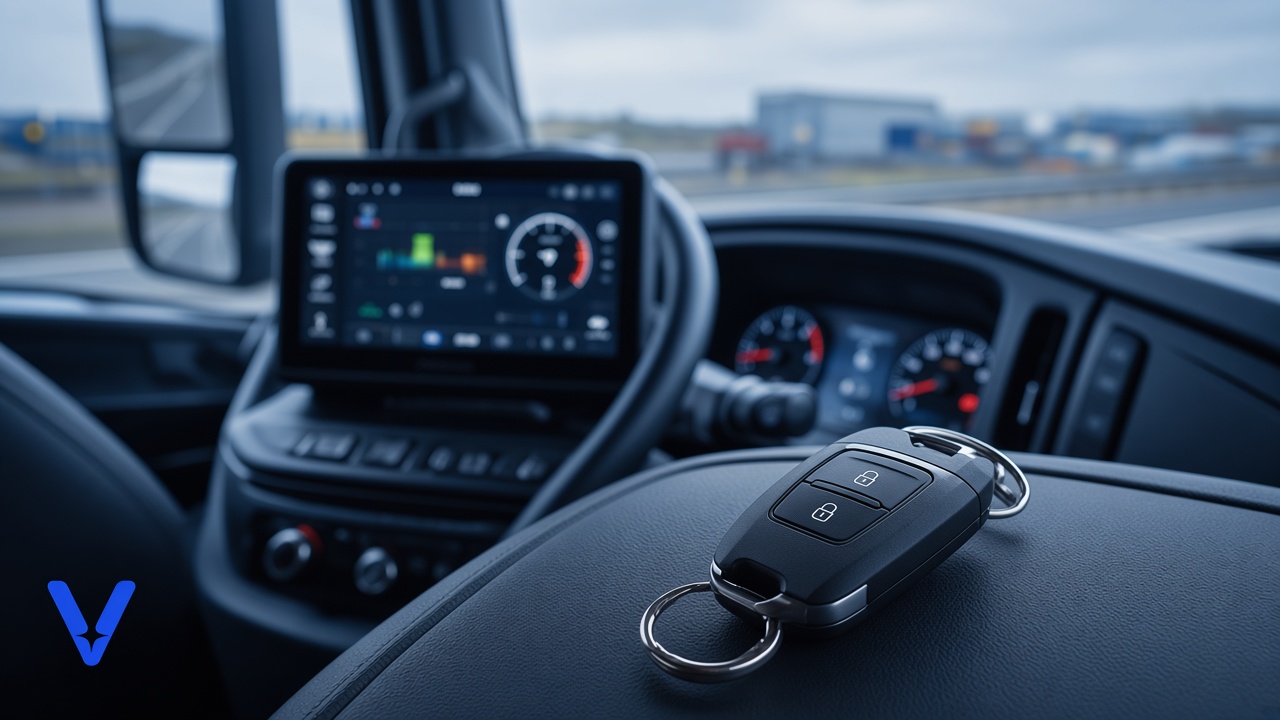
Which drivers' hours rules apply to your multi-drop rounds depends on the vehicle, and from July 2026 on where it goes. A plain-English guide to GB domestic and assimilated (EU) rules, with the limits that shape a round.
Read more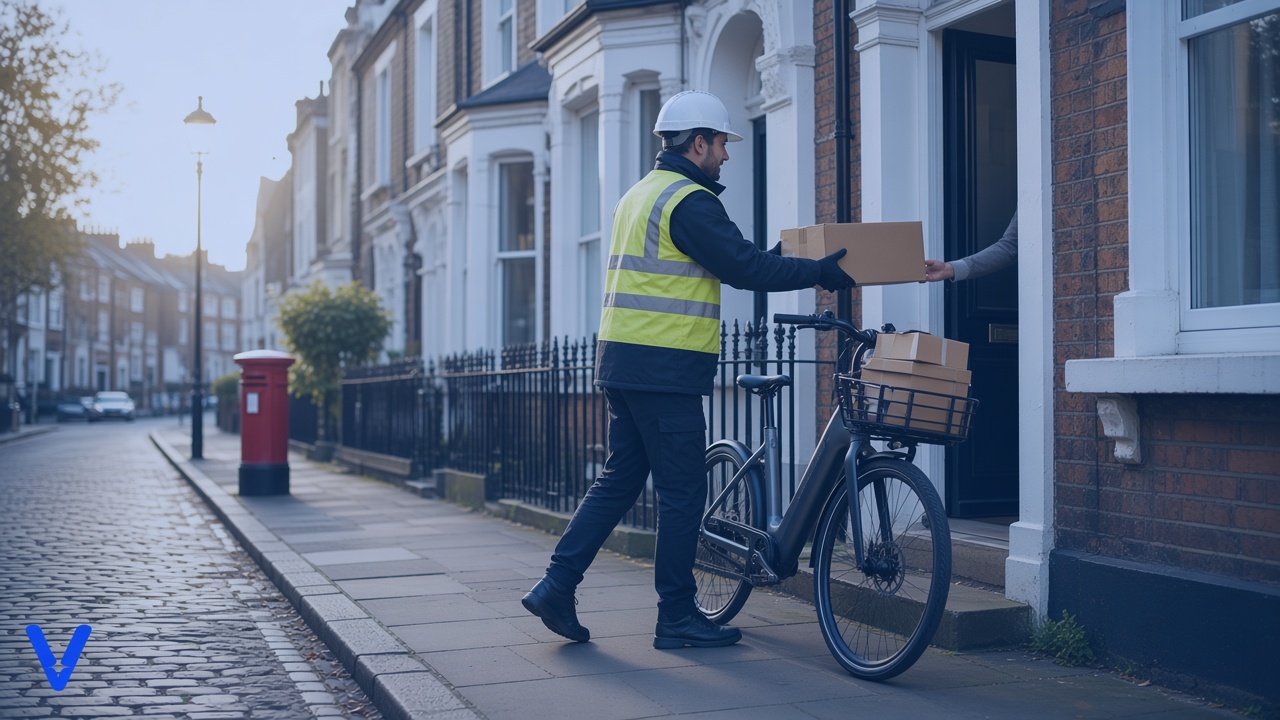
Courier and last-mile delivery routing has to handle same-day insertions, tight time windows, and proof of delivery - here's what actually matters for this segment.
Read more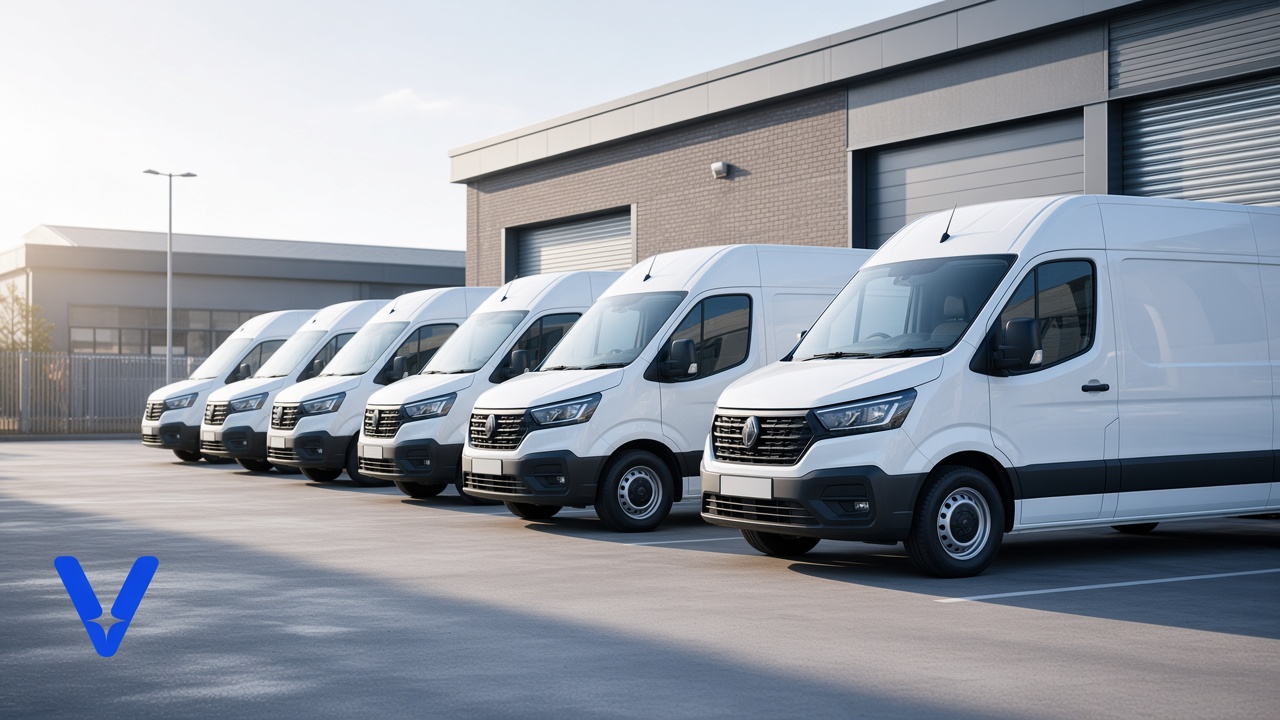
What route optimisation actually does, where the savings come from for a multi-drop fleet, what gains are realistic, and what to check before trusting any tool's numbers.
Read more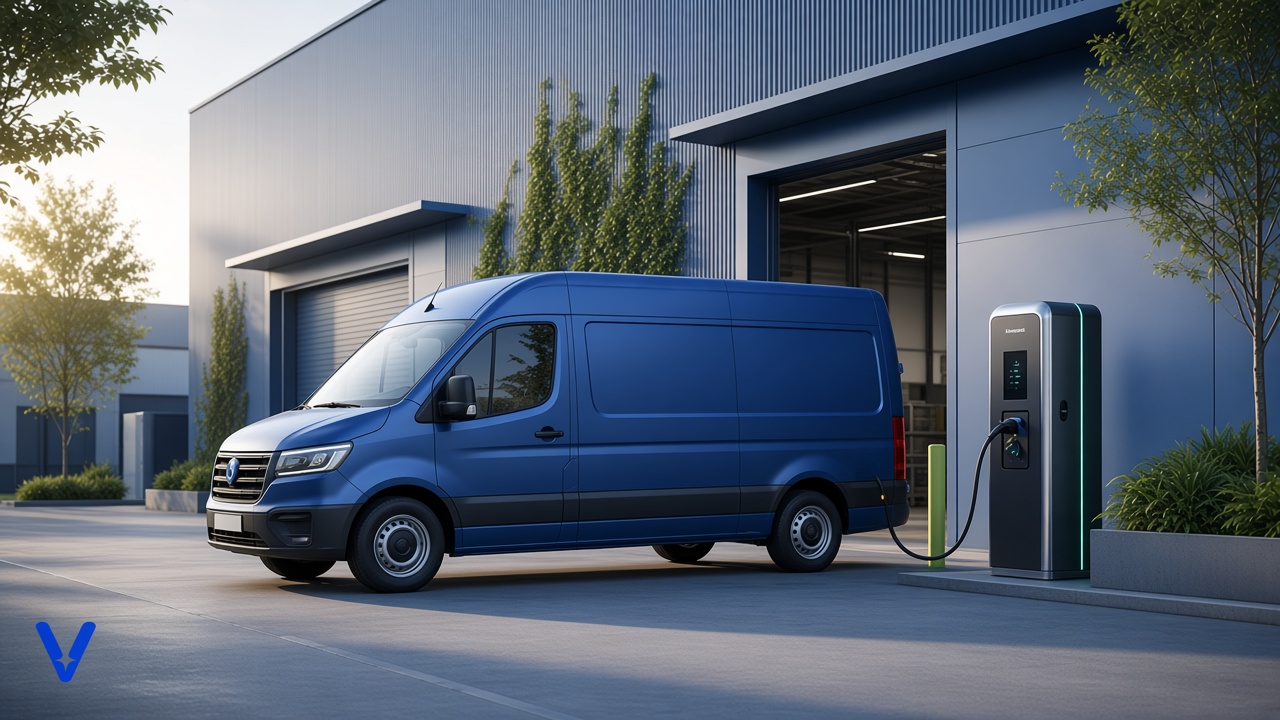
Explore how route optimisation contributes to environmental sustainability and helps companies meet their carbon reduction goals.
Read more
Master the art of planning efficient multi-stop routes with time windows, capacity constraints, and customer preferences.
Read moreReady to plan your rounds with vRouted?
Book a 20-minute call and see how vRouted plans your rounds against capacity, delivery windows and driver hours.